 Anglais
  Português
  Français
  العربية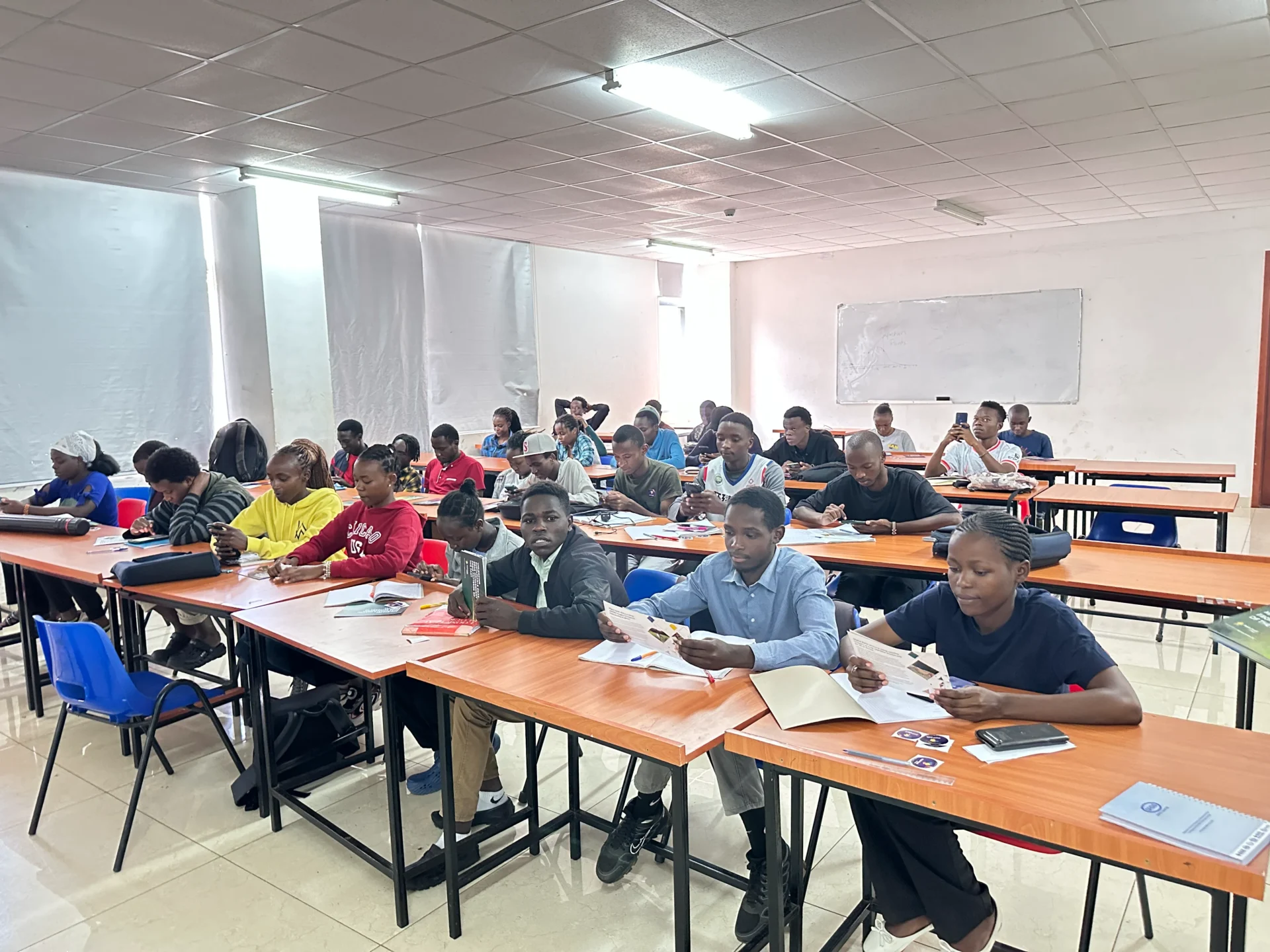
Digital Earth Africa (DE Africa) continues to strengthen its engagement with academic institutions in Kenya through hands-on training that equips students with practical earth observation skills for real-world applications. On 11 December 2025, DE Africa supported a training session for students at Kenyatta University, reinforcing an ongoing collaboration focused on building capacity in natural resource and urban management.
The training was organised by Dr Patricia Mwangi, a lecturer in the Department of Spatial and Environmental Planning at Kenyatta University. It targeted students enrolled in the Bachelor of Science in Urban Studies programme and formed part of their continuous assessment tests, contributing to the partial fulfilment of course requirements for the September to December 2025 semester.
This December session followed an earlier training held in April 2025 for Urban Studies students during the January to April semester, signalling a deliberate effort to integrate earth observation tools into the department’s teaching approach across multiple academic cycles.
A total of 30 second-year students participated in the December training. The session introduced them to Digital Earth Africa and explored how its analysis-ready datasets and platforms can be applied in urban contexts. Key focus areas included monitoring urban change and managing urban green spaces, with practical exposure to datasets from the Sahel and West Africa Club, accessed through the Africapolis platform.
Through these examples, students were able to see how earth observation data supports evidence-based urban planning and management. The training emphasised practical use cases rather than theory alone, aligning with the programme’s focus on preparing students to address contemporary urban challenges.
As part of the training pathway, participating students will also complete DE Africa’s online course, Introduction to Digital Earth Africa: Platforms & Sandbox (English), by February 2026. This blended approach combines in-person instruction with self-paced learning, enabling students to build foundational skills while engaging directly with real datasets and tools.
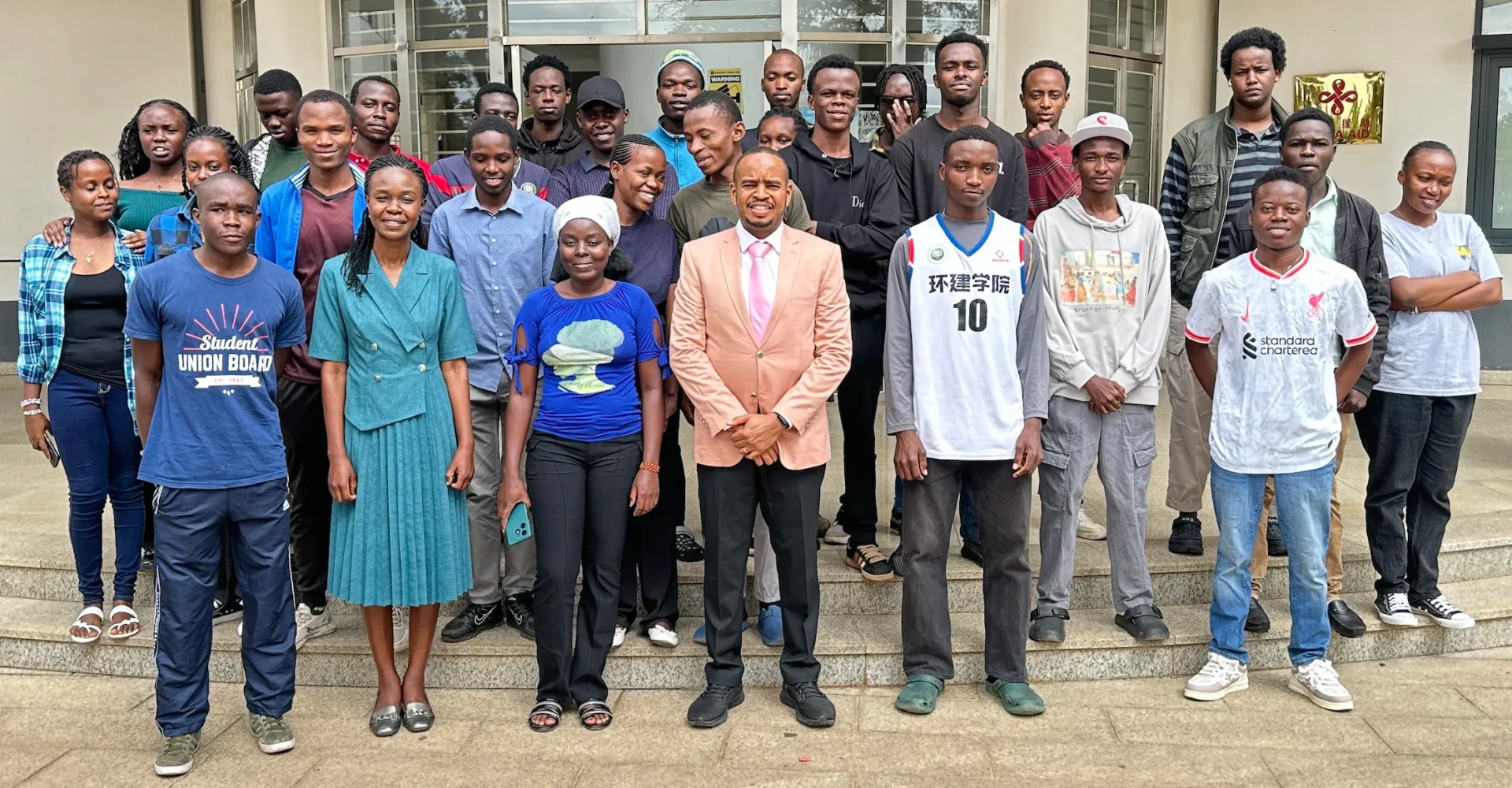
Strengthening and localising this partnership is expected to support Kenyatta University in further leveraging Digital Earth Africa’s accessible, analysis-ready datasets and platforms. This includes their use in student projects, applied research, and the development of practical applications, while also deepening institutional capacity and national-level uptake of earth observation data.
For Digital Earth Africa, the collaboration contributes to broader country engagement in Kenya and supports regional capacity development across East Africa. Working directly with universities allows DE Africa to engage future professionals early, ensuring that earth observation becomes a routine part of how development and environmental challenges are addressed.
Dr Patricia Mwangi, a Geospatial Engineer by training, brings a strong focus on environmental monitoring and management using geospatial technologies. Her academic and professional interests include mapping environmental change, analysing urban growth and dynamics, and monitoring the impacts of climate change in urban areas. Her work is driven by the goal of promoting sustainable environmental management through data-driven decision-making.
Reflecting on the collaboration, Dr Kenneth Mubea, Capacity Development Lead at Digital Earth Africa, noted the long-term value of the partnership. He said, “Kenyatta University and Digital Earth Africa have enjoyed a strong collaboration that will see more students benefit from big data platforms such as DE Africa. This collaboration will help Kenyatta University in updating their training curriculum, especially at the postgraduate level, and support students in addressing development challenges using earth observation.”
Looking ahead, the partnership is expected to continue fostering innovation, strengthening capacity development, and supporting sustainable growth in the use of geospatial and earth observation data. By aligning academic training with practical data platforms, both Kenyatta University and Digital Earth Africa aim to equip students and researchers with the skills needed to respond effectively to urbanisation, environmental change, and development priorities in Kenya and beyond.